


The retatrutide advantages that come up most often involve substantial weight loss, decreased hunger, and early hints of wider metabolic improvements. Retatrutide is an investigational triple-agonist peptide that has drawn interest in midstage clinical trials, yet it must be said at the outset: it has not received FDA approval, it is available only as a compounded, provider-supervised medication, and the results described here are still being studied rather than confirmed for everyone. This page covers the reported and researched benefits, answers frequent questions such as whether retatrutide increases energy, and explains what the current evidence does and does not support. For how it works, see our overview of how it works.
Key benefit figures (carefully worded, drawn from published trial reports):
- In a phase 2 obesity trial, participants taking the highest dose experienced average body-weight reductions reported in the mid-20% range over roughly 48 weeks; individual results vary considerably.
- Trial participants often reported decreased appetite and fewer food cravings, although this was not consistent for everyone.
- In study groups with type 2 diabetes, improvements in blood sugar measures such as A1c were recorded.
- Exploratory analyses pointed to reductions in liver fat, which remain under further study.
- All numbers are investigational, dose-dependent, and may not represent any one person's experience.
The main retatrutide benefits being investigated
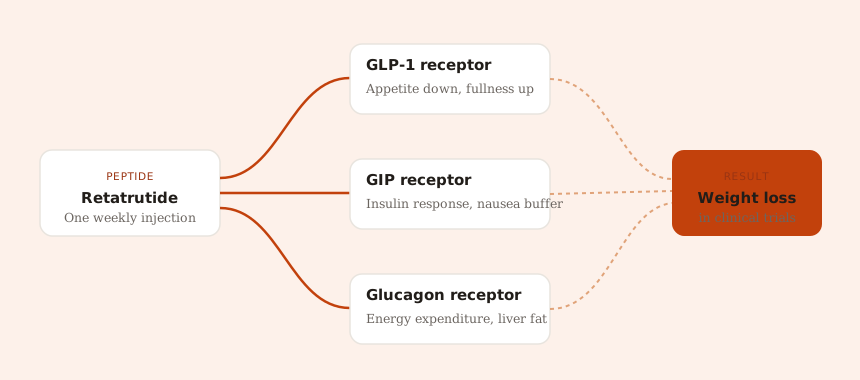
Retatrutide's benefits arise from its structure. Whereas earlier drugs target one or two gut and metabolic hormone pathways, retatrutide stimulates three receptors simultaneously (GIP, GLP-1, and glucagon). This triple-agonist design helps explain why the reported retatrutide peptide benefits from clinical trials have looked substantial, even as confirmatory and long-term data are still being gathered.
Significant weight loss
The most prominent benefit studied is weight loss. In clinical trials, average losses at higher doses have ranked among the larger figures seen for this drug class, which fuels the strong interest. Yet averages conceal wide variation: some participants lost considerably more, while others lost much less. To learn about typical outcomes and timelines in real-world settings, see our page on average what the trials reported.
Appetite and craving reduction
Many people considering this peptide care less about the number on the scale and more about the daily experience of eating less without constant struggle. In trials, participants frequently reported reduced appetite and fewer food cravings. The glucagon-like and GIP components are believed to influence satiety signaling, potentially making smaller portions feel more filling. This is a reported effect, not a guarantee, and it can differ by dose and individual.
Why appetite changes matter for treatment adherence
Sustainable weight management generally hinges on maintaining a calorie deficit without undue discomfort. When appetite is easier to manage, adhering to dietary changes becomes simpler, which may indirectly bolster the other benefits listed below.
Potential metabolic health benefits of retatrutide
Beyond weight, researchers are exploring whether the health benefits of retatrutide extend to markers that forecast long-term cardiometabolic risk. These are active research areas, and none of this should be taken as established treatment claims.
| Marker studied | What trials have reported | Status |
|---|---|---|
| Blood sugar / A1c | Improvements in participants with type 2 diabetes | Being studied |
| Blood pressure | Reductions seen alongside weight loss | Being studied |
| Lipids (cholesterol, triglycerides) | Favorable changes reported in some groups | Being studied |
| Hepatic (liver) fat / MASH | Substantial reductions in liver fat in exploratory analyses | Under active research |
Many of these changes closely track weight loss itself, so it is often unclear how much is a direct drug effect versus a result of losing weight. Ongoing trials aim to clarify this.
The glucagon component and energy expenditure
Retatrutide's glucagon activity is one reason it is believed to affect how the body expends energy. Glucagon can increase energy expenditure and help mobilize stored fat, possibly adding to the weight-loss signal seen in trials. This is a mechanistic rationale under investigation, not a promise of a specific outcome.
Does retatrutide boost your energy?
This question comes up often, and it deserves a clear answer. Retatrutide is not a stimulant. It contains no caffeine or other ingredient designed to produce a jolt of energy or a hyper feeling. So if you're wondering whether it works like an energy drink, it does not.
What people often perceive as a rise in energy typically comes from indirect effects: less hunger and preoccupation with food, steadier blood sugar, slow weight reduction that makes movement easier, and improved metabolic health over time. Some users do report feeling better for these reasons. On the other hand, others—particularly when starting treatment or after a dose increase—may notice more tiredness or lethargy as their body adjusts. Nausea and eating less can also sap energy. In short, the effect on energy is variable and very individual.
If you have persistent fatigue, lightheadedness, or a general feeling of being unwell, do not brush it off. It may signal a side effect or the need to adjust your dose. Be mindful of the trade-offs on our the safety picture page and follow proper dosing instructions under a medical professional.
Retatrutide benefits for men and women
Many people search for retatrutide benefits for men or retatrutide benefits for women, expecting distinct advantages. Honesty matters here: the main trials focused on weight loss and metabolic outcomes across broad populations, not on promoting sex-specific benefits. Any points below are general, speculative, and not evidence that the drug works differently based on sex.
Retatrutide for women: possible relevance
For some women, weight changes linked to conditions such as PCOS or the menopausal transition are major concerns. Because weight loss and improved insulin sensitivity may be relevant to these situations, some clinicians wonder if retatrutide could help women in these cases. This remains a clinical area of interest, not an established or approved use, and any such consideration should be discussed with a qualified healthcare provider.
Retatrutide for men: possible relevance
Men often carry more visceral (abdominal) fat, which is metabolically active and tied to cardiometabolic risk. Since retatrutide has been studied for substantial fat loss, reducing visceral fat is a plausible advantage, though this is again examined at a population level and not specifically promised for men.
The honest takeaway on sex differences
Trials were not designed to support sex-specific claims, so be cautious about 'for men' and 'for women' classifications. Individual biology, starting weight, underlying health conditions, and dosage matter much more than sex alone.
Is retatrutide good for you? Weighing benefits versus risks
Whether retatrutide is beneficial for you is not something a website can determine. The potential advantages of retatrutide are real research areas, but they come with side effects and uncertainties, and the drug is still under investigation.
A reasonable way to evaluate it:
- Define your objectives (weight, metabolic markers, or both) and how much benefit would matter to you.
- Honestly assess the known and possible downsides, not just the positive aspects.
- Go over your medical history and current medications with a licensed doctor.
- Recognize that this is a compounded, provider-only product, not approved by the FDA for general use.
- With professional advice, decide if the balance of pros and cons works for you.
Frequently asked questions
What are the primary benefits of retatrutide?
The main researched advantages include notable weight loss, reduced appetite and cravings, and possible improvements in metabolic indicators like blood sugar, blood pressure, lipids, and liver fat. All are investigational and vary individually.
Are retatrutide's benefits proven in clinical trials?
Encouraging results emerged from mid-stage clinical studies, but retatrutide is still in the investigational phase. Larger, longer trials are in progress, and it is not FDA-approved. Trial averages do not guarantee outcomes for any given person.
Can retatrutide boost your energy levels?
This substance isn't a stimulant. When users report feeling more energetic, it's usually an indirect effect of fewer cravings, steadier blood glucose, and greater ease of physical activity following weight reduction. On the other hand, certain people experience increased tiredness, especially during the initial phase or after a dose increase.
Do the positive effects of retatrutide vary between females and males?
The trials enrolled diverse groups and did not aim to measure outcomes by sex. Although weight and metabolic enhancements could be linked to conditions such as PCOS or menopausal weight gain in women, and to visceral fat in men, these remain general possibilities rather than confirmed sex-specific assertions.
Can retatrutide improve your overall health?
The answer hinges on your individual health profile, goals, and risk tolerance, and only a licensed healthcare professional can make that call. Any potential benefits must be weighed against side effects and the fact that this is a compounded, investigational product.
What is the timeline for noticing benefits from retatrutide?
In trial settings, appetite changes tended to emerge fairly soon, whereas meaningful weight loss accrued over several months as the dose was slowly titrated upward. Timelines vary from person to person; see our results page for realistic expectations.
The content provided here is strictly for educational purposes and does not constitute medical advice. Retatrutide is not FDA-approved and can only be obtained as a compounded medication through a licensed provider. The benefits discussed remain under investigation, are not guaranteed, and should be evaluated together with potential risks.
Research-grade · COA per lot