


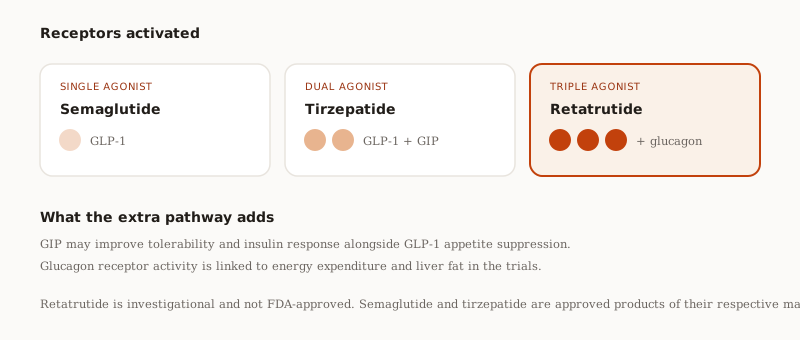
The phrase 'retatrutide vs GLP-1' can be misleading, because retatrutide does not behave like a standard GLP-1 medication. It is an experimental agent that functions as a triple agonist, hitting GLP-1, GIP, and glucagon receptors all at once. Ordinary GLP-1 drugs engage just one receptor. On this page, retatrutide is presented together with other metabolic and research peptides that draw interest, so you can see which are weight-loss agonists, which fall into other groups, and which are still experimental. Not one of these compounds has FDA approval for weight loss, and some are not approved for any human use.
Retatrutide is still under investigation and has not received FDA approval. A number of the peptides discussed here are sold strictly as research chemicals, not intended for human use, and may be unregulated or mislabeled. This material is neither medical advice nor an endorsement. Speak with a licensed healthcare provider before considering any of these agents.
Why 'GLP-1 vs retatrutide' does not hold up as a comparison
In most GLP-1 vs retatrutide discussions, the reference point is a single-agonist drug such as semaglutide set against retatrutide's triple action. Semaglutide triggers only the GLP-1 receptor, slowing gastric emptying and curbing appetite. Retatrutide additionally activates GIP, which may enhance nutrient processing, and glucagon, which could raise energy expenditure and aid fat metabolism. Theoretically, engaging three receptors could produce larger effects than a single pathway, but 'could' is the operative word: long-term safety and comparative outcomes remain under study.
Retatrutide at a glance
- Class: Triple receptor agonist targeting GLP-1, GIP, and glucagon
- Primary interest: weight management and metabolic research
- Status: investigational; not FDA-approved; accessible only via compounding or grey-market sources
- Contrast: Single-target GLP-1 drugs engage just one receptor
For direct head-to-head drug comparisons, see our dedicated pages on retatrutide vs tirzepatide and retatrutide vs semaglutide. The rest of this page surveys the wider peptide landscape.
Retatrutide vs dual GLP-1/glucagon agonists
The compounds closest to retatrutide are the dual agonists that pair GLP-1 and glucagon activity while leaving out the GIP component.
Survodutide vs retatrutide
Survodutide is a GLP-1/glucagon dual agonist under clinical study for obesity and metabolic liver disease. In a survodutide vs retatrutide comparison, both draw on the glucagon pathway for energy expenditure, but retatrutide also brings GIP activity. Neither has been approved, and no direct head-to-head trials exist, so any ranking remains speculative.
Mazdutide vs retatrutide
Mazdutide is another GLP-1/glucagon dual agonist, studied primarily in East Asian populations. The mazdutide vs retatrutide comparison again boils down to two receptors against three. Mazdutide is investigational; retatrutide is likewise investigational and, on the US grey market, is compounded without the oversight of clinical trials or approval.
Retatrutide vs amylin-based peptides
Amylin analogs operate through a hormonal pathway distinct from incretin agonists, so 'cagrilintide vs retatrutide' is a cross-category comparison, not a like-for-like swap.
Cagrilintide vs retatrutide (and CagriSema)
Cagrilintide is a long-acting amylin analog that drives satiety through amylin signaling, not GLP-1. Comparing cagrilintide vs retatrutide means pitting an amylin agonist against an incretin/glucagon triple agonist. The combination product CagriSema pairs cagrilintide with semaglutide; in the cagrisema vs retatrutide framing, you have an amylin-plus-GLP-1 duo against a GLP-1/GIP/glucagon trio. People also ask about using cagrilintide and retatrutide together, a stacking question covered on the stacking retatrutide page.
Eloralintide vs retatrutide
Eloralintide is another investigational amylin receptor agonist. Like cagrilintide, it is not an incretin drug, so the eloralintide vs retatrutide comparison is once more amylin pathway versus triple incretin/glucagon pathway. Both are experimental, and neither is approved for weight loss.
Retatrutide vs growth-hormone and other peptides
Some peptides frequently searched alongside retatrutide are not weight-loss agonists. Comparing them highlights how distinct their goals are.
Tesamorelin vs retatrutide
Tesamorelin is a growth-hormone-releasing hormone (GHRH) analog, FDA-approved specifically to reduce excess visceral abdominal fat in HIV-associated lipodystrophy patients. In the tesamorelin vs retatrutide comparison, the purposes barely overlap: tesamorelin targets a narrow visceral-fat indication via the growth-hormone axis, while retatrutide broadly affects appetite and metabolism. Weighing retatrutide vs tesamorelin for general weight loss means comparing two unrelated tools.
Sermorelin vs retatrutide
Sermorelin is another GHRH analog used to stimulate the body's growth hormone. The sermorelin vs retatrutide contrast is similar to tesamorelin's: a growth-hormone secretagogue is not an appetite-suppressing incretin drug and is not a weight-loss agonist in the way retatrutide is.
Tesofensine vs retatrutide
Tesofensine is not a peptide but a small-molecule triple monoamine reuptake inhibitor studied for obesity; it acts on brain neurotransmitters rather than incretin receptors. The comparison of tesofensine and retatrutide covers two entirely different drug categories, and tesofensine is also still under investigation.
Side-by-side comparison table
| Peptide / agent | Class & mechanism | Primary use | Approval status |
|---|---|---|---|
| Retatrutide | GLP-1 / GIP / glucagon triple agonist | Weight management (research) | Investigational; not FDA-approved |
| Survodutide | Dual agonist targeting GLP-1 and glucagon | Obesity, metabolic liver | Investigational |
| Mazdutide | Dual agonist targeting GLP-1 and glucagon | Weight, glycemic control | Investigational |
| Cagrilintide | Amylin analog | Satiety, weight (often combined) | Investigational |
| CagriSema | Amylin + GLP-1 combination | Weight management | Investigational |
| Eloralintide | Amylin receptor agonist | Weight management | Investigational |
| Tesamorelin | GHRH analog (growth-hormone axis) | HIV-related visceral fat | FDA-approved (narrow use) |
| Sermorelin | GHRH analog | Growth-hormone stimulation | Not approved for weight loss |
| Tesofensine | Monoamine reuptake inhibitor | Obesity (CNS-acting) | Investigational |
The table shows the pattern: retatrutide and the dual agonists are part of the incretin/glucagon family, amylin analogs work in a separate hormone system, and GHRH analogs aim at entirely different goals.
How to safely navigate these comparisons
A reasonable approach to evaluating options
- Sort by category first. Figure out if you are comparing similar items or if an amylin or GHRH peptide plays a different role than an incretin agonist.
- Check approval status. Most of these agents are still in research stages. Approval status matters for safety, purity, and oversight.
- Be cautious of peptides sold for 'research purposes.' Products labeled not for human use are not made and tested to the standards required for approved medicines.
- Bring specific details to a healthcare provider. Talk about your medical history and any other medications before considering any of these compounds; do not self-adjust the dosage escalation.
Grey-market peptides may be underdosed, contaminated, or mislabeled, and there is no guarantee the vial contains what the label says. Regulatory approval is designed to prevent these issues.
Frequently asked questions
Frequently asked questions about retatrutide compared to other peptides
Is retatrutide simply a stronger GLP-1?
No. It is a triple agonist acting on GLP-1, GIP, and glucagon receptors, while a standard GLP-1 drug targets only one receptor. The mechanisms differ, and retatrutide is still investigational, so 'stronger' is not a proven description.
What is the difference between survodutide and retatrutide, and mazdutide vs retatrutide?
Survodutide and mazdutide are GLP-1/glucagon dual agonists. Retatrutide adds a third target, GIP. All three are under investigation, and no approved head-to-head trial has shown one to be superior.
Is cagrilintide in the same class as retatrutide?
No. Cagrilintide is an amylin analog, which is a different hormone system. CagriSema combines cagrilintide with semaglutide. Comparing CagriSema vs retatrutide or eloralintide vs retatrutide is a cross-category comparison, not a direct equivalent.
Why do people compare tesamorelin and retatrutide?
Tesamorelin is a GHRH analog approved specifically for HIV-related visceral fat, not as a general weight-loss agent. Sermorelin is a similar GHRH peptide. Their purpose is very different from retatrutide's effects on appetite and metabolism.
Can I stack cagrilintide and retatrutide?
Adding experimental compounds together creates more unknown safety concerns. We won't outline mixing instructions on this page; for that, check the stacking section and, above all, talk to a licensed healthcare provider first.
Is it safe to purchase any of these as research peptides?
Products sold as 'research chemicals' are not intended for human use and do not satisfy pharmaceutical-grade standards. Concerns about purity, dosing, and contamination are real, so options that are medically supervised and authorized represent a safer route.
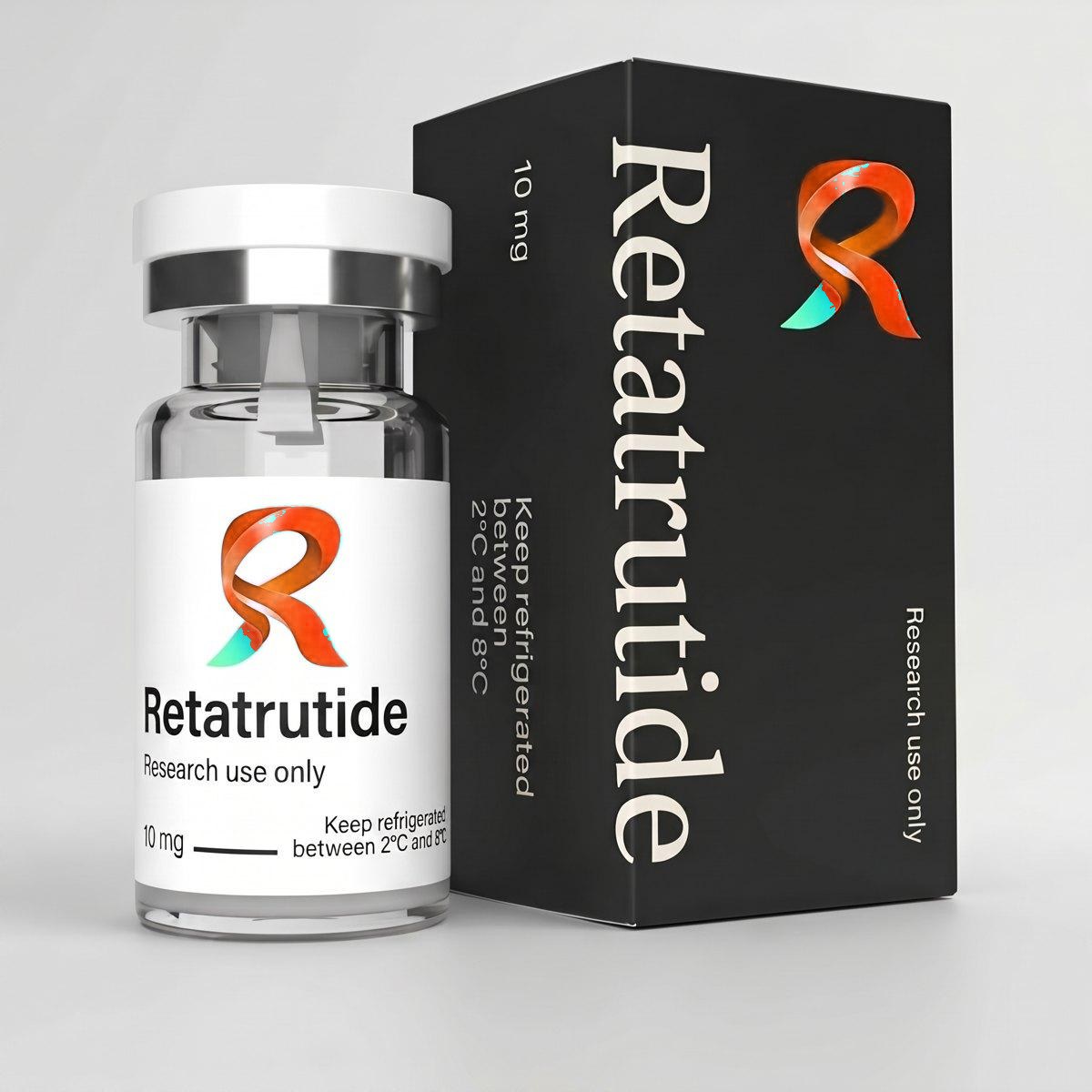
Research-grade · COA per lot