


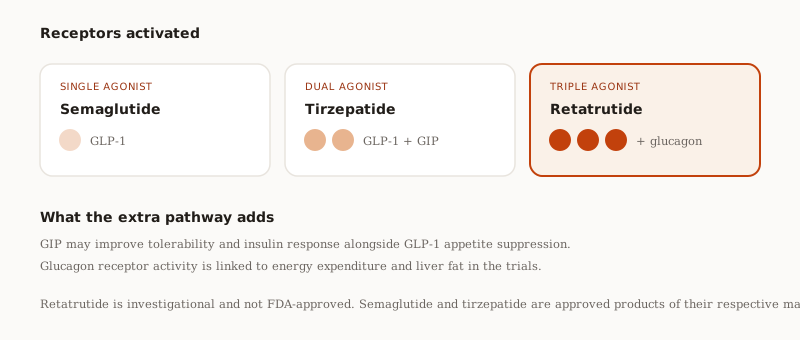
The retatrutide vs semaglutide comparison is frequently discussed because these two peptides occupy different stages of development, yet they are often compared directly. Semaglutide is an FDA-approved medication from Novo Nordisk, sold under the brand names Ozempic®, Wegovy®, and Rybelsus®. Retatrutide is an investigational compound that has not received FDA approval for any indication; when obtained through telehealth, it is made by compounding pharmacies. This page covers their molecular distinctions, early trial data, and how licensed clinicians might consider switching or combining them. It is intended for educational purposes and does not replace personalized medical advice.
- Retatrutide: investigational triple agonist (GLP-1 / GIP / glucagon); not FDA-approved; compounded.
- Semaglutide: selective GLP-1 receptor agonist; FDA-approved as Ozempic®, Wegovy®, Rybelsus® (Novo Nordisk trademarks).
- For weight management, both are given as once-weekly injections (Rybelsus® is a daily oral semaglutide tablet).
- Any use of an investigational peptide should be supervised by a licensed healthcare provider.
How retatrutide and semaglutide differ in function
The main difference between semaglutide and retatrutide is how many hormonal pathways each one activates. Semaglutide targets a single receptor: it imitates GLP-1, a gut hormone that slows gastric emptying, dampens appetite signals in the brain, and improves insulin response. This well-characterized mechanism underpins its approved indications.
Retatrutide is designed as a triple agonistIt simultaneously activates three receptors: GLP-1, GIP, and glucagon. The added glucagon activity is especially noteworthy, as it may raise energy expenditure and influence fat metabolism, at least in theory. Whether this triple-pathway strategy produces lasting, safe benefits in humans remains under investigation. For a comparison of other multi-target peptides, see our page on retatrutide vs tirzepatide and for the broader context of other peptides and GLP-1s.
Is retatrutide the same as Ozempic?
No. A frequent question is "is retatrutide the same as Ozempic," and the answer is that they are distinct molecules with different mechanisms. Ozempic® is a semaglutide brand, a single GLP-1 agonist approved for type 2 diabetes (while Wegovy® is approved for weight management). Retatrutide is a separate investigational triple agonist. The difference between Ozempic and retatrutide is not just branding; it involves the underlying pharmacology and regulatory status.
Retatrutide vs Ozempic and Wegovy: a direct comparison
The table below compares retatrutide with ozempic and retatrutide with wegovy on the factors most commonly asked about. Clinical trial numbers are approximate ranges from published studies and should be considered illustrative, not a guarantee of individual results.
| Factor | Retatrutide | Semaglutide (Ozempic® / Wegovy® / Rybelsus®) |
|---|---|---|
| Mechanism | Triple agonist | Single agonist |
| Receptors | GLP-1, GIP, glucagon | GLP-1 only |
| Approval status | Investigational; not FDA-approved; compounded | FDA-approved (Novo Nordisk trademarks) |
| Trial weight loss | Approximately 24% in a phase 2 trial (highest dose, about 48 weeks) | Approximately 15% in the STEP program at the weight-management dose |
| Dosing frequency | Once weekly (subcutaneous) in clinical trials | Once weekly injection; Rybelsus® is a daily oral tablet |
| Common side effects | Nausea, vomiting, diarrhea, constipation, reduced appetite; long-term safety not yet established | Nausea, vomiting, diarrhea, constipation; well-established safety profile |
| Cost / insurance | Usually self-pay (compounded); not covered by insurance as it is investigational | May be covered by insurance; brand price varies significantly without coverage |
The roughly 24% phase 2 result for retatrutide and the about 15% STEP result for semaglutide come from separate trials with different designs, durations, and participant groups. These are not directly comparable, and specific outcomes should not be anticipated. Retatrutide's long-term safety and effectiveness are still being evaluated.
Retatrutide vs semaglutide for losing weight: what does the research indicate
On paper, the phase 2 weight-loss results for retatrutide looked larger than the semaglutide figures frequently cited from the STEP trials. Still, it is not settled whether retatrutide actually outperforms semaglutide. Semaglutide comes with a large body of real-world data, cardiovascular outcome trials, and regulatory approval. Retatrutide offers early signs of promise, yet also carries uncertainties that only bigger and longer studies can resolve. For practical dosing regimens, see our overview of milligram-per-week dosing and typical results.
Switching from semaglutide over to retatrutide
People already taking a GLP-1 occasionally ask about moving from semaglutide to retatrutide. Because retatrutide is still investigational, no standardized, FDA-endorsed conversion exists between the two, and there is no universal dose chart. Any change should be planned and supervised by a licensed clinician who knows your medical history.
How a transition guided by a clinician usually works
- Review your present semaglutide dose, how well you tolerate it, and why you are considering a switch.
- Discuss the fact that retatrutide is investigational and compounded, along with the related uncertainties.
- In trials, dosing began low and was raised according to a set schedule.
- Monitor for gastrointestinal and other side effects, adjusting treatment under medical supervision.
- Assess progress and safety at regular intervals.
This is a general overview, not individualized dosing advice. A clinician needs to tailor the approach.
Can retatrutide and semaglutide be used together?
Some people raise the idea of taking retatrutide and semaglutide at the same time, but pairing two overlapping GLP-1 receptor agonists is generally avoided. Both act on the GLP-1 pathway, so stacking them could intensify side effects such as nausea without clear evidence of added benefit. This choice belongs solely to a licensed clinician, and usually only one agent is used at a time rather than both.
Who each option might suit
People who may lean toward semaglutide
Those who want an FDA-approved medication with a proven safety profile, possible insurance coverage, and, with Rybelsus®, an oral option may find semaglutide the more suitable topic to discuss with their doctor.
People curious about retatrutide
Those drawn to a newer, multi-pathway experimental peptide, who understand it is not FDA-approved and is compounded, might raise retatrutide with a clinician who can weigh the risks and benefits for their particular case.
Frequently asked questions
Common questions about semaglutide vs retatrutide
What is the main difference between semaglutide and retatrutide?
Semaglutide is a single GLP-1 receptor agonist and carries FDA approval (as Ozempic®, Wegovy®, and Rybelsus®). Retatrutide is an investigational triple agonist that also acts on GIP and glucagon receptors and is not FDA-approved.
Is retatrutide the same as Ozempic?
No. Ozempic® is a brand name for semaglutide, a single-pathway GLP-1 drug. Retatrutide is a separate, investigational molecule with a triple-agonist mechanism.
Is retatrutide better than semaglutide?
Early phase 2 data for retatrutide showed greater average weight loss than the semaglutide figures commonly cited, but these are not head-to-head studies. Semaglutide has established long-term data and approval, while the safety and efficacy of retatrutide are still being investigated.
Can you transition from semaglutide to retatrutide?
Only under the supervision of a qualified healthcare provider. No standard equivalent dose exists, and any transition must be individualized and closely monitored.
Can retatrutide and semaglutide be used together safely?
Usually not. Because both act on the GLP-1 pathway, combining them may increase side effects without added benefit. A licensed medical professional should make this determination.
Is retatrutide covered by health insurance in the same manner as semaglutide?
Because retatrutide is still undergoing research and is compounded, it is typically paid for out of pocket and not covered by insurance. Semaglutide might be covered depending on your specific plan and medical condition.
Important safety information
Retatrutide is an experimental compound that has not yet been approved by the FDA for weight management or any other use, and long-term safety data are limited. Semaglutide is FDA-approved; Ozempic®, Wegovy®, and Rybelsus® are registered trademarks of Novo Nordisk, and Retatrutide-Peptide.info is not affiliated with or endorsed by Novo Nordisk. This information is for educational purposes only and should not substitute for professional medical advice. Never start, stop, combine, or change any medication without first consulting a licensed healthcare professional who can review your personal health history.
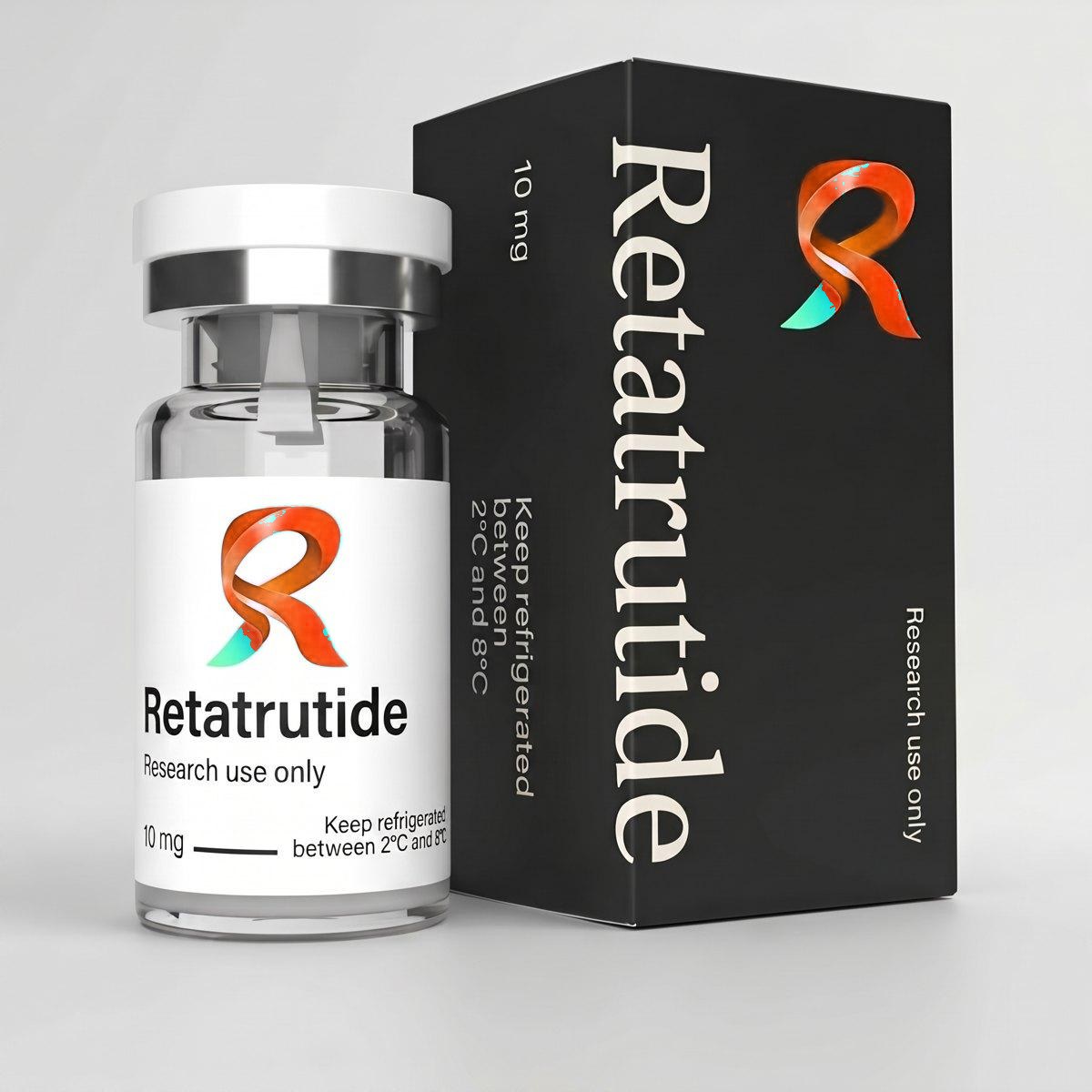
Research-grade · COA per lot